E-waste Myths Debunked: What UK Homes Should Do
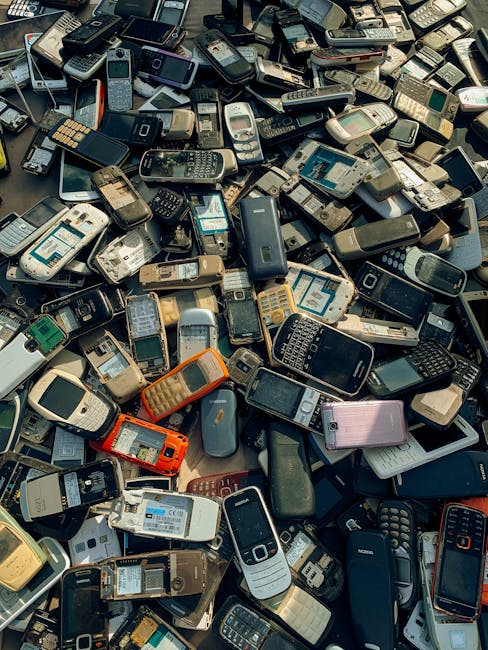
If you have ever left an old kettle in the cupboard, kept a cracked laptop "just in case", or wondered whether that drawer full of cables is secretly fine to bin, you are not alone. E-waste myths are everywhere, and they make it harder for UK homes to do the right thing. This guide to E-waste Myths Debunked: What UK Homes Should Do clears up the confusion, shows what actually matters, and gives you practical steps you can use at home today.
Truth be told, most people do not need a lecture. They need plain English: what counts as e-waste, what to do with it, what not to do, and how to avoid the easy mistakes that lead to clutter, risk, or unnecessary waste. Let's get into it.
Why E-waste Myths Debunked: What UK Homes Should Do Matters
Electrical waste, or e-waste, is one of those things people think they understand until the spare room starts filling up with old phones, dead vacuum cleaners, printer cartridges, and a radio that no longer picks up anything but static. In homes, it often gets treated as a "deal with it later" problem. Then later becomes months, maybe years.
The trouble with myths is that they sound convenient. "Small items can go in household waste." "If it still lights up, it is fine to keep." "One charger does not matter." Each one sounds harmless on its own. But stack enough of them together and you get clutter, wasted materials, and avoidable safety risks.
For UK households, this matters for a few simple reasons:
- Safety: batteries, plugs, cables, and damaged devices can pose fire or shock risks if stored badly.
- Space: old electronics quietly eat cupboards, lofts, and garage shelves. You notice it all at once, usually when you need the space for something else.
- Recycling value: many electrical items contain metals, plastics, and components that can be recovered when handled properly.
- Responsibility: households play a real part in keeping reusable and recyclable materials out of the wrong bin.
A lot of people assume e-waste only means giant televisions or broken fridges. Not quite. It also includes everyday items like toasters, toothbrushes, tablets, lamps, games consoles, extension leads, and even some toys. Once you see it that way, the scale becomes much clearer.
Expert summary: If an item runs on a plug, battery, or charger, it is worth checking whether it should be treated as electrical waste rather than general rubbish. That simple habit prevents most home disposal mistakes.
If your wider home clear-out is already under way, this is usually the moment where electricals get mixed in with furniture, bagged odds and ends, or loft clutter. Services such as home clearance and house clearance can help when you are dealing with a full property tidy rather than just one or two items. For smaller, awkward pieces, waste removal may be a more practical route.
Table of Contents
- Why E-waste Myths Debunked: What UK Homes Should Do Matters
- How E-waste Myths Debunked: What UK Homes Should Do Works
- Key Benefits and Practical Advantages
- Who This Is For and When It Makes Sense
- Step-by-Step Guidance
- Expert Tips for Better Results
- Common Mistakes to Avoid
- Tools, Resources and Recommendations
- Law, Compliance, Standards, or Best Practice
- Options, Methods, or Comparison Table
- Case Study or Real-World Example
- Practical Checklist
- Conclusion
- Frequently Asked Questions
How E-waste Myths Debunked: What UK Homes Should Do Works
The basic idea is simple: identify the item, separate it from general rubbish, and choose the most suitable route for disposal, reuse, or recycling. The hard part is usually not the process itself. It is the uncertainty around the myths.
Think of it in three stages:
- Sort: walk around your home and gather electrical items into one place. Kitchen drawer, hallway cupboard, loft box, under-bed storage. You know the spots.
- Check condition: ask whether the item still works, can be repaired, or is clearly beyond use. Some devices are worth passing on. Others are done.
- Choose the route: reuse, repair, council collection where available, specialist disposal, or a reputable clearance option.
The myths often show up at stage two. For example, many people think a broken phone battery is safe if the screen still turns on. It might not be. Others assume all electricals can be chopped up or dismantled at home. That is a bad idea unless you genuinely know what you are doing, because hidden batteries and capacitors are not something to mess about with on a Sunday afternoon.
A practical rule of thumb: if you would hesitate before putting the item in the general bin, stop and sort it separately. A tiny pause now saves a lot of hassle later.
Homeowners, landlords, and renters all face slightly different versions of the same issue. A landlord clearing a flat after a tenancy may have a mix of small appliances, old routers, and damaged tech. A family doing a seasonal clear-out may find half-used gadgets tucked into drawers. In both cases, the method is the same, but the volume is different. That is why services like flat clearance and garage clearance can be useful when e-waste is only one part of a bigger job.
Key Benefits and Practical Advantages
Debunking e-waste myths is not just about being "responsible". It makes home life easier in practical ways.
- Less clutter: old devices stop circulating through drawers, lofts, and sideboards like they own the place.
- Safer storage: batteries and broken chargers are kept away from heat, moisture, and damage.
- Better recycling outcomes: items are more likely to be processed correctly when separated early.
- Fewer disposal errors: you avoid the common mistake of putting electrical items in the wrong bin bag.
- More room for reuse: working items can be donated, sold, or passed on instead of being forgotten.
There is also a quieter benefit: peace of mind. You know that messy box of old bits in the utility room? Once it is sorted, the place feels lighter. Slightly ridiculous, maybe, but very real.
If you are clearing out a whole room, it can help to tackle e-waste alongside furniture and storage items. For example, pairing electronics sorting with furniture disposal or furniture clearance keeps the project moving instead of becoming a half-finished pile in the hallway.
Who This Is For and When It Makes Sense
This topic is relevant to almost every UK home, but it is especially useful if any of the following sound familiar:
- You have a drawer full of dead chargers, earbuds, and spare cables.
- You are moving house and need to reduce what comes with you.
- You are clearing a loft, garage, or spare room.
- You have inherited a property with old electrical items left behind.
- You are replacing appliances and do not know what to do with the old ones.
- You want to cut down on waste and keep the home safer.
It is also useful if you have a larger project in mind. A loft can contain decades of forgotten tech, extension leads, and old gaming kit. A garage can become a weird archive of defunct tools, radios, and broken battery-powered devices. That is when loft clearance and garage clearance start making a lot of sense.
To be fair, not every old electronic item needs a complicated plan. Sometimes it is one printer, one toaster, and a cable you cannot identify. Other times it is a full room of mixed waste. The scale matters, because the approach changes with it.
Step-by-Step Guidance
If you want a straightforward way to handle e-waste at home, use this process. It is simple, and it works.
1. Gather all electrical items in one place
Start with obvious devices, then sweep the house for the small stuff. Look in drawers, bedside cabinets, kitchen cupboards, and the back of wardrobes. You will often find the awkward bits there: old remotes, hair tools, charging bricks, and devices that were "temporarily" put away two years ago.
2. Separate working items from broken ones
Working electronics may be suitable for reuse, donation, or resale. Broken items should be treated as waste unless repair is realistic and safe. If the item is cracked, leaking, burnt, swollen, or missing essential parts, do not keep pretending it will come back to life. It probably will not.
3. Remove batteries if it is safe to do so
Some devices contain removable batteries. If the battery is swollen, hot, or damaged, do not force it. Leave it alone and seek appropriate disposal guidance. This is one of those areas where caution beats enthusiasm every time.
4. Keep cables and accessories with the device where possible
Loose chargers and accessories can be reused with the main item, or at least kept together for recycling. A tangled bag of cables is a pain to sort later. One tangled cable is a nuisance. Fifty cables is a hobby nobody asked for.
5. Decide on reuse, repair, or disposal
If the item still has useful life, reuse comes first. If it is repairable at a sensible cost, repair may be better. If not, use the proper disposal route. For bulkier domestic clear-outs, a broader service such as home clearance can help collect mixed items in one visit.
6. Choose a reliable collection or disposal option
For households dealing with more than a few items, organised removal is often easier than multiple trips to different places. Read service details carefully, especially if you want a process that is transparent and straightforward. It helps to review recycling and sustainability information so you know how the provider handles recoverable materials.
7. Keep proof and notes where needed
If you are dealing with a move, tenancy end, or family property clearance, keep a simple note of what was removed. Nothing fancy. Just enough to avoid confusion later. One sheet of paper is often better than a photo roll full of mystery boxes.
Expert Tips for Better Results
Here is the part people usually skip, then regret skipping later.
- Check for hidden batteries: toys, headphones, electric toothbrushes, and smart gadgets often contain them.
- Do not store damaged items near heat sources: lofts and airing cupboards are not ideal for swollen batteries or cracked devices.
- Use the "would I lend this?" test: if you would not hand the item to a friend without warning, it probably needs sorting.
- Group similar items together: this makes it easier to identify what can be reused, what can be recycled, and what needs specialist handling.
- Be realistic about repair: a cheap cable fix is one thing; a heavily damaged appliance is another.
A useful habit is to create a tiny "tech outbox" in a cupboard or utility area. Put unwanted electrical items there until you have enough to deal with in one go. It reduces the temptation to shove them back into the nearest drawer. We have all done that. Or nearly all.
For homes with bigger amounts of mixed waste, especially after decorating, moving, or storage clear-outs, it can help to think in terms of the whole load rather than just the electronics. If the job includes builder-style debris alongside old devices, builders waste clearance may be relevant. That is not e-waste specific, but in real life these things often get tangled together.
Common Mistakes to Avoid
The myths are only half the problem. The other half is the little habits that follow from them.
- Putting electricals in general household waste: this is still one of the easiest mistakes to make, especially with small items.
- Leaving batteries loose in a drawer: coins, keys, and batteries are not a great mix.
- Assuming everything can go to charity: only working items in decent condition should be donated.
- Mixing e-waste with food or garden waste: contamination makes recycling more difficult.
- Forgetting accessories: chargers, leads, and remotes are often the parts that get left behind.
- Ignoring older hidden items: old phones, sat-navs, and digital cameras tend to sit forgotten for years.
One especially common mistake is to think "small enough" means "safe to bin". Not really. Size does not decide whether an item is electrical waste. Function does.
Another one? Keeping broken electronics because you might "fix them one day". If that day never arrives, the item just becomes a space tax. Harsh, but true.
Tools, Resources and Recommendations
You do not need specialist equipment for most household e-waste sorting. A few simple tools are enough.
- Cardboard boxes or storage tubs: useful for separating working items, broken items, and loose accessories.
- Labels or marker pens: especially helpful if you are sorting a loft or garage.
- Basic torch: handy for checking dark cupboards, under-stairs storage, and the backs of shelves.
- Gloves: useful when handling dusty, damaged, or sharp-edged items.
- Phone camera: a simple way to record what you have sorted if you need a quick reference.
In practice, most homes benefit from a two-box system: one box for reusable electricals and one for items that are definitely at end of life. Keep the categories clear. It saves arguments later, especially in busy households where things get moved around without warning.
If you are arranging a larger clearance, it is worth checking provider information on pricing and quotes, plus the company's payment and security guidance if you are booking online. Those pages help set expectations before collection day arrives.
Households that want reassurance around handling and standards may also want to review practical policy information such as insurance and safety and health and safety policy. It is not flashy reading, granted, but it tells you a lot about how a service treats risk and responsibility.
Law, Compliance, Standards, or Best Practice
Without turning this into a legal seminar, it is worth noting that electrical waste should be handled under proper UK waste expectations rather than tossed out casually. The exact rules can vary depending on item type, local arrangements, and collection method, so it is sensible to check current council guidance where relevant.
For homes, the safest general best practice is:
- do not place e-waste in ordinary household bins unless you have been told it is acceptable for a specific item;
- keep damaged batteries and swollen battery packs separate;
- use recognised collection or recycling routes for unwanted electricals;
- avoid dismantling items unless you have the skill and tools to do it safely;
- be careful with anything that could leak, spark, or overheat.
Where a service is involved, good practice means clear communication, reasonable handling, and an approach that avoids unnecessary contamination of recyclable material. A reputable provider should be transparent about what happens to different waste streams. If that information is hard to find, fair enough to ask. You are the customer.
For readers comparing household clear-out options, it can also help to see whether the company sets out its responsibilities clearly on pages like terms and conditions, complaints procedure, and accessibility statement. That does not directly change e-waste handling, but it does show how a provider operates.
Options, Methods, or Comparison Table
There is more than one sensible way to deal with household e-waste. The right choice depends on quantity, condition, and how quickly you want the space back.
| Method | Best for | Pros | Things to watch |
|---|---|---|---|
| Reuse or donation | Working items in good condition | Extends product life, reduces waste | Only suitable if safe and fully functional |
| Repair | Items with minor faults | Can be cheaper than replacement | Not worth it for badly damaged or obsolete items |
| Separate recycling route | Small numbers of electricals | Good for routine home disposal | Needs sorting and a bit of planning |
| House clearance or waste removal | Mixed loads or larger home projects | Convenient, handles multiple waste types | Check what is included and how items are handled |
For a quick one-off item, a simple recycling route may be enough. For a loft, garage, or full-home clear-out, a broader service is often easier. That is where house clearance, flat clearance, or waste removal can be more practical than doing ten separate trips.
Case Study or Real-World Example
Here is a very normal scenario. A family in a terraced UK home starts clearing the loft on a rainy Saturday morning. The plan is simple enough: find Christmas decorations, sort out the old clothes, maybe reclaim a bit of floor space. Then the electronics appear. A broken tablet. Two dead printers. A box of chargers that no longer match anything. An old games console. Three lamps. A laptop that "still might work" though it has not been switched on in ages.
At first, everything gets stacked together. That is usually what happens. Then the room starts to feel more chaotic than before. The trick is to stop and split the pile into three groups:
- items worth reusing or testing;
- items clearly broken and ready for disposal;
- items that need a bit more checking because of batteries or damage.
Once that happens, the whole job becomes easier. The family is no longer "sorting a loft". They are sorting a handful of decisions. Much better.
In a case like this, the old furniture and storage boxes may be removed alongside the e-waste, which is why pairing the task with loft clearance can be so effective. If the garage also needs attention, garage clearance can handle the leftover mix without turning the week into a never-ending tidy-up.
Practical Checklist
Use this before you get rid of old electrical items at home.
- Have I checked all drawers, cupboards, loft boxes, and spare storage areas?
- Is the item electrical, battery-powered, or charger-dependent?
- Does it still work, or is it clearly beyond repair?
- Are batteries removable, and is it safe to remove them?
- Have I kept cables, chargers, and accessories together where useful?
- Have I separated reusable items from end-of-life items?
- Am I avoiding the general waste bin for electrical items?
- Do I need help with a larger mixed clearance?
- Have I checked the provider's sustainability and safety information?
- Have I chosen the simplest route for the amount of waste I actually have?
If you can tick most of those off, you are already ahead of the average household. Honestly, more than ahead. You are doing the simple things that prevent the annoying ones.
Get a free quote today and see how much you can save.
Conclusion
E-waste myths make disposal feel more complicated than it needs to be. Once you strip away the confusion, the approach is refreshingly practical: sort the items, separate the reusable from the broken, keep an eye on batteries and damage, and use the right route for disposal or recycling. That is really the core of E-waste Myths Debunked: What UK Homes Should Do.
For UK homes, the biggest win is not perfection. It is making steady, sensible choices that reduce clutter, improve safety, and keep useful materials in circulation for longer. Small habits matter. A drawer cleared, a battery separated, a loft box finally dealt with. It adds up.
And if you are facing a bigger clear-out, do not overcomplicate it. A calm, well-planned approach will get you there, even if the spare room looks a bit wild at the start. That part always settles.
When the house feels lighter, the mind usually does too.
Frequently Asked Questions
What counts as e-waste in a UK home?
Anything electrical, battery-powered, or charger-dependent can count as e-waste. That includes phones, cables, small appliances, lamps, toys with electronics, and many household gadgets.
Can I put small electrical items in the general bin?
As a rule, no. Small size does not make an item suitable for normal household waste. It is better to keep electricals separate and use an appropriate disposal route.
Do broken chargers and cables need special handling?
Yes, they should be kept with electrical waste rather than thrown into general rubbish. Even if they look harmless, they belong in the right stream with other e-waste.
Can old electronics be donated instead of recycled?
Yes, if they still work and are in decent condition. If they are damaged, unsafe, or missing key parts, recycling or specialist disposal is usually the better choice.
What should I do with batteries from old devices?
Remove them only if it is safe and easy to do so. If batteries are swollen, leaking, or hot, do not force them out. Keep damaged batteries separate and handle them cautiously.
Is it safe to store e-waste in the loft or garage?
It can be, but it is not ideal for damaged items or batteries. Heat, moisture, and pressure can all make stored electrical waste riskier over time, so long-term storage is best avoided.
How do I sort through a big pile of old tech?
Start by grouping similar items together, then split them into working, broken, and unsure. That simple structure keeps the job manageable and stops the pile from becoming overwhelming.
Are house clearance services useful for e-waste?
Yes, especially when e-waste is part of a larger home clear-out. If you are dealing with multiple rooms, mixed clutter, or a full property tidy, a broader clearance service is often the easiest option.
What if I am not sure whether an item is electrical waste?
If it runs on a plug, battery, or charger, treat it as something to check carefully. When in doubt, separate it from general waste and choose the safer route.
Why do e-waste myths matter so much for UK homes?
Because they lead to bad habits: wrong bins, unsafe storage, and forgotten clutter. Once the myths are cleared up, home disposal becomes simpler, safer, and much more practical.
Do I need a specialist service for a few items?
Not always. A few electrical items may only need simple sorting and a suitable recycling route. A specialist or clearance service becomes more useful when the load is large, mixed, or awkward to handle.
Where should I start if my home is full of old devices?
Start with one room and one box. Gather all electrical items first, then decide what can be reused, what needs checking, and what should be removed. Small progress is still progress, and it often snowballs in a good way.