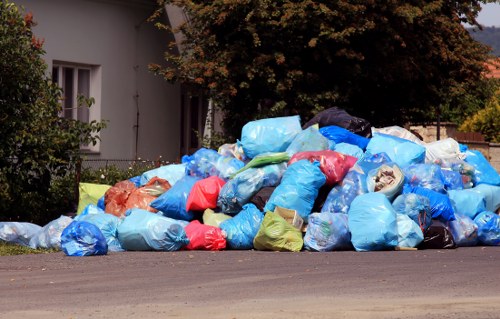
Recycling and Sustainability — Where Is The Rubbish
Where Is The Rubbish is committed to reducing landfill, increasing reuse and promoting responsible disposal across the community. Our approach balances practical collection services with long-term sustainability goals, helping residents, businesses and local authorities make smarter choices about waste. We work alongside local borough schemes, community groups and industry partners to ensure that every item has the best possible afterlife, from recycling to repair and redistribution. where is the rubbish is more than a question — it is a mission to close the loop on materials.Our recycling percentage target and long-term ambition
We have set a clear, measurable target: to achieve a 65% recycling and reuse rate across our services by 2030. This target aligns with ambitious local authority plans and national expectations for resource efficiency. To reach it we combine better sorting, increased diversion of food and garden waste, and expanded textile and WEEE (electricals) collection programs. Progress is tracked quarterly and published in our sustainability summaries so communities can see how actions translate to results.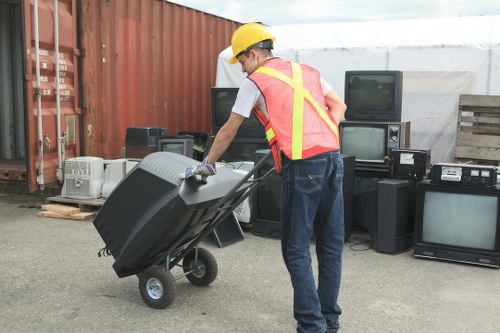
How boroughs and neighbourhoods separate waste
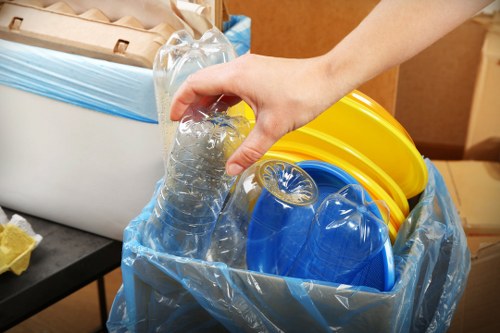
Many of the boroughs where we operate follow a multi-stream approach: dry mixed recycling, glass, food and garden waste are collected on scheduled days, while bulky items and hazardous waste are handled through separate services. We work with these systems and provide additional support where needed, such as on-demand pickups for large household items and segregated collection for electrical goods and textiles to keep contamination low and recycling quality high.Local transfer stations and drop-off points are vital to improving material flows. By routing segregated loads through nearby transfer stations we reduce haul distances and ensure recyclables are sorted correctly before they go to processors. Our logistical planning integrates with council transfer facilities to shorten journeys and speed up turnaround, which lowers emissions and keeps costs down.
 Partnerships with charities and reuse partners
We maintain active partnerships with a wide network of charities, social enterprises and community reuse hubs. These relationships ensure that good-quality furniture, appliances and textiles are offered to people in need rather than being sent to waste. Key activities include:
Partnerships with charities and reuse partners
We maintain active partnerships with a wide network of charities, social enterprises and community reuse hubs. These relationships ensure that good-quality furniture, appliances and textiles are offered to people in need rather than being sent to waste. Key activities include:
- Direct collections for charity redistribution — scheduled pickups for items suitable for reuse.
- WEEE diversion programs — electricals and electronics are tested, repaired and resold or recycled through accredited partners.
- Textile and clothing streams — sorting and grading for reuse or fibre recycling.
WhereIsTheRubbish supports charity logistics by offering dedicated bays at transfer stations and coordinated pickup slots. These streamlined pathways increase the volume of reusable goods recovered and reduce the need for new purchases.
Low-carbon vans and sustainable collection fleets
Our fleet strategy places low-carbon vehicles at the core of daily operations. We deploy electric vans and hybrid vehicles for short urban runs and low-emission trucks for larger collections, with a roadmap to expand battery-electric coverage across our services. Fleet improvements are paired with route optimisation software to cut mileage and improve fuel efficiency — lowering operational emissions while maintaining reliable service.Tracking emissions is part of how we measure sustainability. Regular maintenance, driver training in eco-driving techniques and investments in charging infrastructure at strategic depots all contribute to a smaller carbon footprint. When clients ask "Where is the rubbish going?" the answer includes a commitment to moving it with minimal environmental impact.
Community engagement and local recycling activity
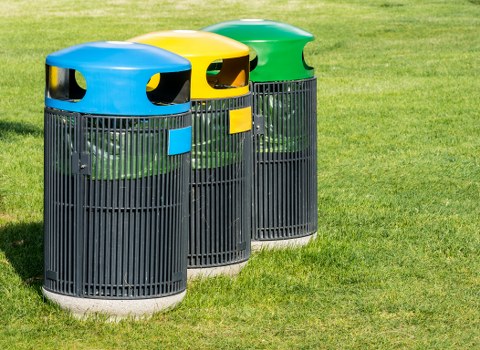
We support local initiatives such as repair cafes, swap events and household hazardous waste collections. These community efforts are complemented by targeted campaigns that explain the borough-specific rules for sorting recyclables. For example, in many areas glass is separated from paper to prevent contamination, while food waste collections are prioritised to reduce methane from general waste streams. Our outreach teams work with ward councillors and resident associations to clarify what goes where and why quality matters.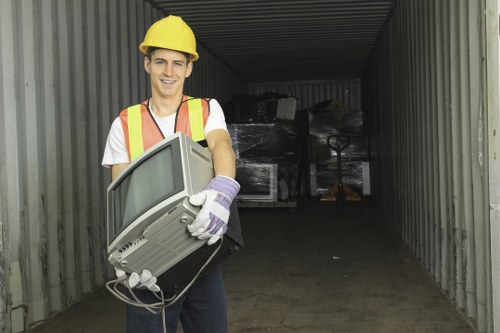 Measuring success and transparency
Success is measured not only in tonnes diverted but in the quality of materials recovered and the social impact of reuse. We publish regular data on recycling rates, contamination levels and the quantities of items redirected to charitable partners. Our 65% target is supported by detailed action plans including improving sorting at source, expanding textile and food waste collections and increasing cooperative reuse schemes.
Measuring success and transparency
Success is measured not only in tonnes diverted but in the quality of materials recovered and the social impact of reuse. We publish regular data on recycling rates, contamination levels and the quantities of items redirected to charitable partners. Our 65% target is supported by detailed action plans including improving sorting at source, expanding textile and food waste collections and increasing cooperative reuse schemes.
Operational excellence is combined with a strong focus on policy alignment: we coordinate with borough waste strategies, attend multi-authority forums and adapt quickly when local collection rules change. This responsiveness ensures that whether you’re asking "WhereIsTheRubbish" or looking for ways to recycle more effectively, our services remain compatible with local approaches and evolving regulations.
In closing, Where is the rubbish? It is on a planned pathway toward reuse, recycling and reduced carbon impact. By hitting recycling percentage targets, partnering with local transfer stations and charities, and running low-carbon vans, we aim to make waste management an engine of social and environmental benefit. Join us in making every collection count — because better sorting, smarter logistics and community-focused reuse create a resilient, circular future.