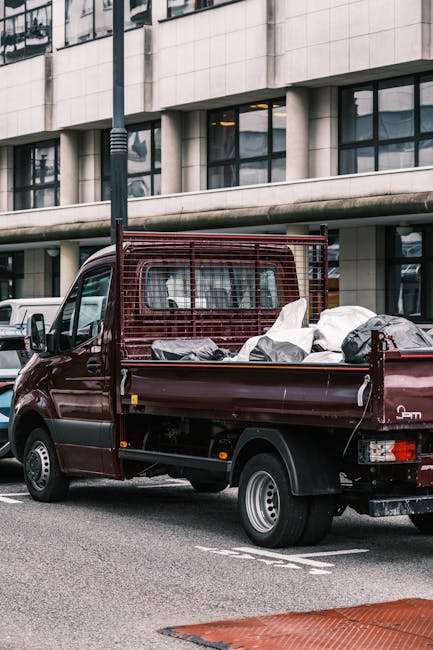
Why Choose a Licensed Waste Carrier: Certification Explained
If you are getting rid of waste, the phrase Why Choose a Licensed Waste Carrier: Certification Explained sounds formal at first, but the reason behind it is actually very simple: you want your rubbish handled properly, legally, and without nasty surprises later. Whether you are clearing out a flat, managing a building job, or just finally sorting the garage, the licence matters more than most people realise.
Truth be told, waste removal is one of those jobs that looks straightforward until it isn't. One missed check, one dodgy operator, and suddenly you could be dealing with fly-tipping issues, unclear paperwork, or a collection that never quite goes where it should. This guide breaks down what a licensed waste carrier is, what certification means in practice, how to check it, and why choosing one is usually the safer, smarter route.
We will keep it plain-English. No jargon soup. And where the topic overlaps with real-world service choices, you will also see how licensed carriers fit into broader services like waste removal, builders waste clearance, and house clearance.
Table of Contents
- Why certification matters
- How licensed waste carrier certification works
- Key benefits and practical advantages
- Who this is for and when it makes sense
- Step-by-step guidance
- Expert tips for better results
- Common mistakes to avoid
- Tools, resources and recommendations
- Law, compliance and best practice
- Options and comparison table
- Case study or real-world example
- Practical checklist
- Conclusion
- Frequently asked questions
Why Why Choose a Licensed Waste Carrier: Certification Explained Matters
The short version? Certification is the difference between handing waste to someone accountable and handing it to someone who may disappear the moment something goes wrong. A licensed waste carrier is expected to operate within recognised rules for handling, transporting, and disposing of waste. That sounds dry, but it has very real consequences for you.
When you use a licensed carrier, you are reducing the chance that your waste ends up dumped in a layby, left on someone else's land, or mixed with material that should have been sorted separately. You are also protecting yourself against the awkward situation where the waste was collected from your property, yet you are still asked questions later because the disposal chain was never properly documented. Not ideal. Not remotely.
For households, the benefit is peace of mind. For businesses, it is even bigger. Employers, landlords, contractors, offices, and property managers often have a duty to show they took reasonable steps when handing waste over. If you run a business, services such as business waste removal and office clearance should always be approached with documentation and traceability in mind.
There is also a reputational angle. Let's face it, nobody wants to explain why a pile of old furniture somehow ended up behind a hedge. Choosing a licensed carrier is one of those quiet decisions that prevents loud problems later.
How Why Choose a Licensed Waste Carrier: Certification Explained Works
In practice, certification means the carrier has gone through the process required to operate as a legitimate waste transporter. The exact details can vary depending on the type of business and the service it provides, but the important point is that the carrier is registered and expected to follow proper handling procedures.
Here is how it generally works from your side:
- You book a collection or clearance service.
- The carrier identifies the waste type and volume.
- They collect the materials and move them in an appropriate vehicle.
- The waste is taken for reuse, recycling, treatment, or disposal through approved channels.
- Where applicable, you receive paperwork or confirmation that helps show the waste was transferred responsibly.
That last point matters more than people think. If you are dealing with mixed waste, bulky items, or leftover materials from a renovation, a paper trail can be useful. It helps demonstrate that you did your part correctly. A licensed carrier should be able to explain what they collect, what happens next, and how they separate recyclable material from general waste.
On a practical level, this also affects the type of service you book. A straightforward tip: if you are clearing a loft, a garage, or a house after a move, look at specialist services like loft clearance, garage clearance, or home clearance. The right service tends to handle sorting and loading more efficiently, which saves time and reduces mistakes.
What about the actual certificate? In most cases, you are not looking for a fancy framed document. You are looking for evidence that the operator is properly registered and can carry waste lawfully. That verification step should be simple, not a strange treasure hunt.
Key Benefits and Practical Advantages
Choosing a licensed waste carrier gives you more than compliance. It changes the whole experience from guesswork to something closer to a managed service.
- Better legal protection: you can show you used a legitimate operator rather than an unknown middleman.
- Lower fly-tipping risk: licensed carriers are expected to use lawful disposal routes.
- Clearer accountability: you know who collected the waste and who was responsible for it next.
- Improved recycling outcomes: many licensed providers sort waste so recoverable items are not automatically thrown away.
- Less hassle: professional collection usually means less lifting, less waiting around, and fewer awkward surprises.
- More suitable for mixed loads: useful when a job includes old furniture, DIY debris, garden waste, and general clutter in one go.
There is also a safety benefit that often gets overlooked. Waste handling can be messy, dusty, sharp, heavy, or just plain awkward. A proper carrier is more likely to follow sensible loading practices and use the right equipment. That matters for items like wardrobes, broken appliances, builders' rubble, and garden waste after a weekend of over-ambitious pruning.
If sustainability matters to you, a licensed carrier is usually the more responsible choice. Many people want their unwanted items reused or recycled where possible, rather than tipped and forgotten. If that is high on your list, it is worth exploring a provider's approach to recycling and sustainability before booking.
Expert summary: Certification is not just paperwork. It is a signal that the carrier is operating within a recognised, accountable process, which protects you, the public, and the environment. In everyday terms, it means fewer risks and fewer regrets.
Who This Is For and When It Makes Sense
This matters to more people than you might expect. It is not only for big construction firms or commercial sites with skips lined up outside. A licensed waste carrier is relevant whenever waste leaves your control and enters someone else's vehicle.
Typical situations include:
- Homeowners clearing unwanted furniture, appliances, or general clutter
- Landlords preparing a property between tenants
- Estate or probate clearances where items need sorting carefully
- Businesses disposing of office furniture, archived items, or refurbishment waste
- Builders and tradespeople needing a tidy off-site waste solution
- People dealing with garden waste, garage contents, or loft clear-outs
For some jobs, hiring a carrier makes more sense than hiring a skip. For others, it is the opposite. If access is tight, parking is tricky, or you need hands-on loading help, a licensed carrier is often the easier route. Flat residents notice this quickly. A service like flat clearance is often the practical answer where stairs, narrow corridors, and limited outside space make skip use awkward.
And if your job involves specialist items, you want a carrier that understands the difference between "just stuff" and waste streams that need separate treatment. Furniture, for instance, is not always as simple as it looks. A provider that offers furniture clearance or furniture disposal is usually better placed to handle bulky pieces safely and responsibly.
In short: if you want the job done cleanly and without having to second-guess where everything ends up, licensed is the sensible default. Not glamorous. Just wise.
Step-by-Step Guidance
If you are choosing a licensed waste carrier for the first time, use this simple process. It keeps things calm and stops the whole thing from becoming a "who said what?" situation.
1. Identify what needs removing
List the items or materials as clearly as you can. A rough note is fine. For example: three bags of household rubbish, a broken sofa, old shelving, and one chipped sink. The more accurate the description, the more accurate the advice.
2. Separate hazardous or awkward items early
Some items need extra caution or different arrangements. Do not bury them in a vague "general waste" pile and hope for the best. If you are unsure, ask before collection day.
3. Ask about licence status and process
Do not feel awkward about this. A legitimate operator should expect the question. Ask how they handle registration, where the waste goes, and whether they can explain their process in plain English. If the answer feels evasive, that is a signal in itself.
4. Confirm what is included
Check whether loading, labour, disposal, and potential sorting are included. Some jobs are straightforward. Others involve awkward items in lofts, sheds, or upstairs rooms. A service like house clearance may be better if there is a broad mix of items and rooms to clear.
5. Agree the price structure
It helps to know whether pricing is based on volume, load size, item type, time, or access. You do not need a spreadsheet. Just clarity. A surprise surcharge after the van has already turned up is nobody's idea of a good morning.
6. Keep any paperwork or confirmation
Whether you are a homeowner or a business, keep records if they are provided. It may feel minor at the time, but it can be useful later if you need to show what happened to the waste.
Expert Tips for Better Results
Here are the little things that tend to make a big difference. They are not dramatic, but they are the sort of details that save time and reduce stress.
- Group items by type before collection: mixed loads are fine, but if you can separate cardboard, metal, furniture, and general rubbish, the process often runs more smoothly.
- Be honest about volume: underestimating the amount of waste is one of the quickest ways to end up with delays or revisions.
- Take quick photos if needed: not glamorous, but useful. A few pictures can help avoid misunderstandings.
- Think about access: low ceilings, narrow stairs, locked gates, and parking restrictions all affect collection time.
- Ask about reuse and recycling: a good carrier should be able to explain how they aim to divert materials from landfill where possible.
Another small but important point: compare like with like. A cheap quote is not always a good quote if it leaves out labour, disposal, or proper handling. I have seen people choose the lowest number on paper and then spend the rest of the afternoon untangling what was actually included. Not worth it.
If you are planning a larger clear-out, especially in a property with multiple rooms, it can also help to browse service pages in advance. A broad solution like home clearance or house clearance may be more suitable than piecing together several smaller jobs.
Common Mistakes to Avoid
Most problems happen before the waste even leaves the property. That is the annoying bit. The good news is that many mistakes are avoidable if you know what to watch out for.
- Assuming every waste collector is licensed: never assume. Always check.
- Choosing purely on price: cheap can be expensive if the service is unreliable or incomplete.
- Not describing the waste properly: a vague description makes for vague results.
- Mixing in special items without warning: this can affect handling and disposal.
- Ignoring paperwork: if confirmation is available, keep it.
- Booking the wrong type of service: for example, a builder's load may need a different approach than a simple furniture pickup.
One common mistake is forgetting that your responsibility does not always end the moment the van drives away. If the waste is handed to someone unlicensed and later dumped illegally, questions can still come back around. That is why certification and traceability matter. They are not bureaucratic extras. They are your backup.
For renovation jobs in particular, a service such as builders waste clearance can be a better fit than a general collection because it is designed for heavier, messier, more varied material. Saves a headache or two.
Tools, Resources and Recommendations
You do not need specialist software or a pile of forms to make a sensible choice, but a few basic tools and habits help a lot.
- Photo checklist: use your phone to document the waste before booking.
- Simple inventory list: itemise what is going and what is staying.
- Access notes: jot down gate codes, parking limits, stair access, or loading restrictions.
- Payment clarity: keep the agreed price and any terms in one place for easy reference.
- Company policy pages: if you are comparing providers, look for pages about insurance and safety, health and safety policy, and terms and conditions so you know how they operate.
For a broader view of how a company handles trust, you can also review pages such as about us and pricing and quotes. Those pages do not prove everything, of course, but they can tell you a lot about how open and organised a business is.
If you are a customer who cares about ethical operations, it is also reasonable to check for public commitments like a modern slavery statement or clear complaints procedure. Small signals, yes, but useful ones.
Law, Compliance, Standards, or Best Practice
Waste handling in the UK sits inside a framework of legal duties and accepted best practice. The exact obligations depend on whether you are a homeowner, landlord, tradesperson, or business owner, so it is wise to be cautious rather than overconfident.
As a general rule, you should expect a licensed waste carrier to:
- operate lawfully and keep the right registration in place
- collect, transport, and transfer waste responsibly
- avoid illegal dumping or unclear disposal routes
- provide sensible documentation where appropriate
- handle waste in a way that supports recycling or recovery where possible
For customers, the best practice is to use a carrier who can explain what they do without sounding vague or defensive. If they cannot explain the basic journey of the waste, that is not a great sign. You do not need a lecture. Just a clear answer.
Businesses should be especially careful because operational waste, office clearances, and building debris often involve more complexity. A trusted provider should be able to support jobs like office clearance and business waste removal with proper process and accountability.
Also, be aware that licensing is not the same as insurance, and insurance is not the same as safety. You want all of it working together. A carrier can be registered, but you still want them to show sensible handling, decent communication, and a clean process from start to finish.
Options, Methods, or Comparison Table
It often helps to compare your options side by side. Different jobs suit different methods, and the cheapest-looking choice is not always the most practical one.
| Option | Best for | Pros | Trade-offs |
|---|---|---|---|
| Licensed waste carrier | Mixed household, business, bulky, or awkward waste | Accountability, safer handling, proper disposal route | May cost more than informal alternatives |
| Skip hire | Longer projects with space for a skip | Good for ongoing work, easy access during a project | Needs space and often more customer effort to load |
| DIY tip run | Small loads and people with a suitable vehicle | Flexible for light jobs | Time-consuming, fuel costs, handling effort, disposal rules still matter |
| Unverified collector | Honestly, nothing really | Sometimes looks cheap upfront | High risk, poor accountability, possible illegal dumping issues |
The table makes the point pretty clearly. If the job is small and simple, you may have options. If the waste is bulky, mixed, heavy, or tied to a business or renovation, a licensed carrier is usually the safer choice. For services such as garden clearance, the licensed route is especially useful when the load includes soil, branches, broken fencing, and general green waste all in one stack.
Case Study or Real-World Example
A typical example: a couple finishes a kitchen refresh and ends up with old cupboards, packaging, cracked tiles, and a heavy worktop sitting in the hallway. It starts as "just a few bits", and by day two the hallway looks like a mini depot. They need the material gone quickly, but they also want to know it will be handled responsibly.
They choose a licensed waste carrier rather than trying to manage several car-loads themselves. On collection day, the team assesses the load, separates what can be reused or recycled, and removes the waste without damaging walls or flooring. The paperwork is straightforward, the process is tidy, and the property is back to normal by the afternoon. Nothing cinematic. Just efficient, which is better.
That same approach works well for lofts, garages, rented flats, and business premises. The real value is not just removal; it is the confidence that the removal was done properly. For many customers, that peace of mind is the whole point.
And to be fair, once you have lived through one bad clearance, you tend to appreciate a good one much more. Funny how that works.
Practical Checklist
Before booking, run through this checklist. It takes two minutes and can save you a lot of trouble.
- Have I clearly listed everything that needs removing?
- Do I know whether any items need special handling?
- Have I checked that the carrier is licensed and legitimate?
- Do I understand what the price includes?
- Have I noted access issues such as stairs, parking, or narrow entrances?
- Do I need a service like house clearance, furniture disposal, or builders waste clearance rather than a generic collection?
- Have I asked about recycling or reuse where appropriate?
- Do I have any paperwork or confirmation saved safely?
- Have I looked at the provider's safety and policy information?
- Am I confident the job is being handled by the right kind of company?
If the answer to most of those is yes, you are in good shape. If not, take a breath and ask a few more questions before you commit. There is no prize for rushing waste disposal.
Get a free quote today and see how much you can save.
Conclusion
Choosing a licensed waste carrier is about far more than ticking a box. It is about protecting yourself from avoidable risk, making sure waste is handled responsibly, and dealing with people who can actually account for the job they do. That combination matters whether you are clearing a single bulky item or managing a full property clearance.
Certification brings structure to what can otherwise become a messy process. It helps ensure the waste leaves your property and enters a proper, traceable chain. That is the real value. Quiet, practical, reassuring. The sort of thing you only fully appreciate after the fact.
If you take one thing from this guide, let it be this: ask the licence question early, ask it plainly, and treat a clear answer as a good sign. Your future self will thank you for it, probably while standing in a much emptier room.
Frequently Asked Questions
What is a licensed waste carrier?
A licensed waste carrier is a business or individual authorised to collect and transport waste legally. In practical terms, it means they should be able to show they are operating within the proper rules rather than acting as an informal or untracked collector.
Why should I choose a licensed waste carrier instead of a cheaper option?
Because cheaper is not always cheaper once you factor in risk. A licensed carrier gives you better accountability, a lower chance of illegal dumping, and a more professional process from collection to disposal.
How can I tell if a waste carrier is legitimate?
Ask directly, and expect a clear answer. A legitimate carrier should be able to explain their registration, how they handle waste, and what happens after collection without sounding evasive or vague.
Do I need paperwork when I use a licensed waste carrier?
Not every job needs the same level of paperwork, but confirmation or a record of transfer is often useful. It helps show you acted responsibly and can be valuable for businesses, landlords, and property managers.
Is a licensed waste carrier the same as insurance?
No. Licensing and insurance are different things. Licensing relates to legal authority and waste handling; insurance relates to financial protection if something goes wrong. Ideally, you want both.
What types of waste are commonly handled by licensed carriers?
Household rubbish, furniture, garden waste, office contents, builders' debris, and mixed clearance loads are all common examples. Some items may require special handling, so it is best to mention anything unusual in advance.
Can a licensed waste carrier help with a full property clearance?
Yes. Many customers use licensed carriers for lofts, garages, flats, houses, and business premises. Services like flat clearance, loft clearance, and house clearance are common examples.
Is it better to use a waste carrier or hire a skip?
It depends on the job. If you have space and want an ongoing project solution, a skip can work well. If you need labour, access support, or a quicker all-in-one removal, a licensed waste carrier is often the better fit.
What should I ask before booking waste removal?
Ask what is included in the price, whether they are licensed, how they handle recycling, what access they need, and whether there are any items they cannot take without prior notice. Straightforward questions are usually the best ones.
Does a licensed waste carrier matter for businesses too?
Absolutely. Businesses often generate larger or more sensitive waste streams, and they usually need a clearer audit trail. Services such as business waste removal and office clearance are especially worth checking carefully.
What if I only have a small amount of waste?
Even small loads should go through a proper route. A small amount of waste can still become a big problem if it is handed to the wrong person. A licensed carrier is still the safer choice, even for a few items.
How do recycling and sustainability fit into licensed waste collection?
Licensed carriers are generally expected to move waste through lawful channels, and many make an effort to separate items for reuse or recycling where possible. If sustainability matters to you, ask how they approach sorting and recovery before booking.